Integrated Waste Processing Facilities for Mauritius
A long-term initiative designed to sort, treat, and manage municipal waste through two regional processing facilities.

Expert Recycling Solutions
Understanding IWPF
A national processing programme
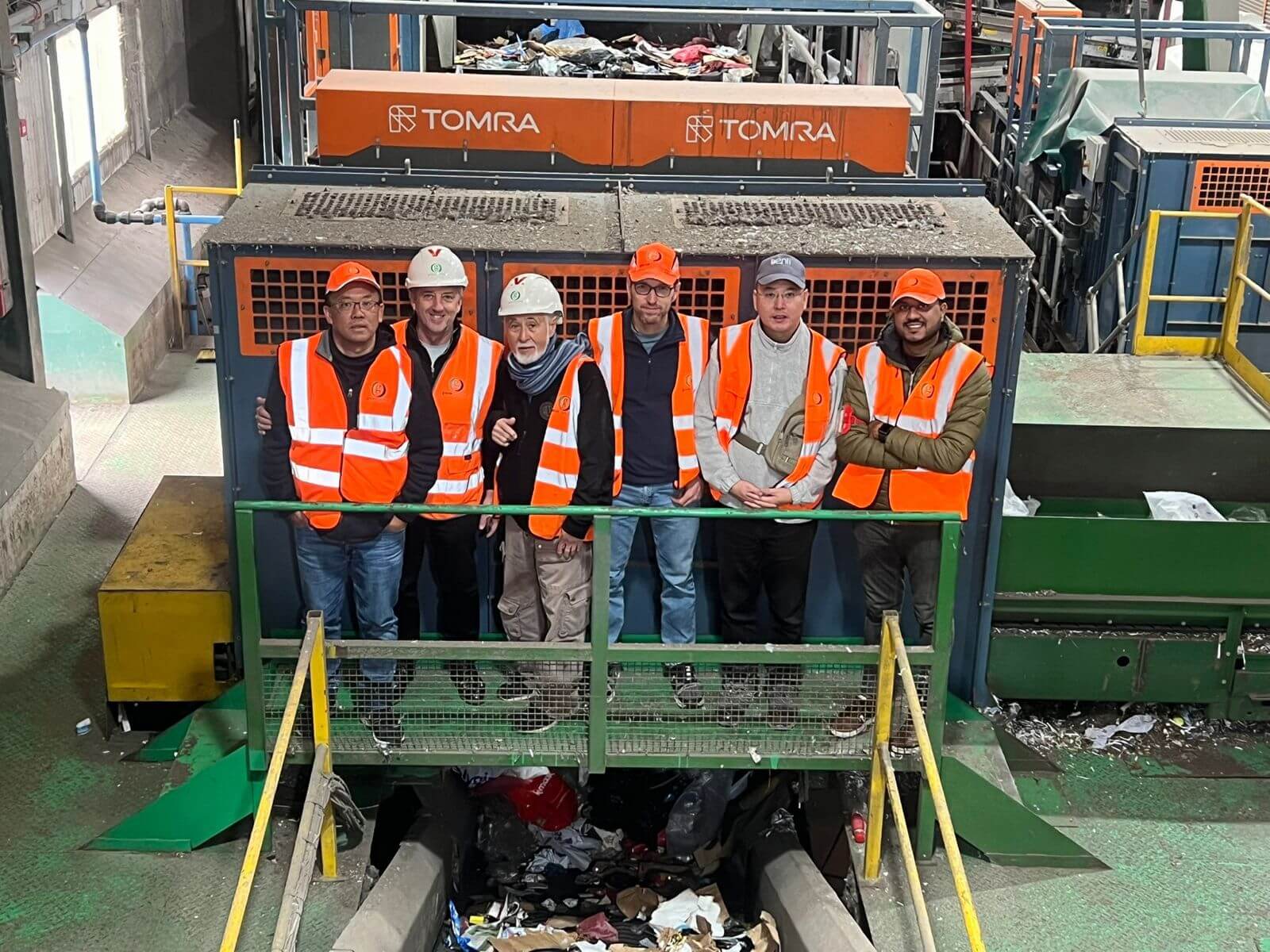
IWPF establishes two regional facilities in Mauritius to process segregated municipal waste. Each facility sorts recyclables, treats organic waste, and reduces the volume of material sent to landfill.
A National Waste Processing Initiative
The Integrated Waste Processing Facility (IWPF) Project is a national initiative designed to modernise waste management in Mauritius through advanced processing and resource recovery.
The initiative establishes two regional facilities that will receive and process segregated municipal waste through a three bin system to be implemented in collaboration with the government of Mauritius . Each facility will sort recyclable materials, treat organic waste through controlled composting processes, and significantly reduce the volume of waste sent to landfill.
By combining material recovery and organic waste treatment, IWPF supports the transition toward a more sustainable and circular waste management system in Mauritius.
Programme Structure
The IWPF Programme is implemented through two Special Purpose Vehicles: IWPF North Ltd and IWPF West Ltd, operating under long-term Build-Own-Operate concession agreements.
Each facility integrates:
- A Material Recovery Facility (MRF) to sort and recover recyclable materials
- A dedicated composting plant to process organic waste
- Supporting infrastructure designed to operate within defined processing capacity parameters
The programme functions as a regulated infrastructure platform with defined environmental, operational, and reporting obligations embedded within the concession framework.
Why It Matters
From Disposal to Processing
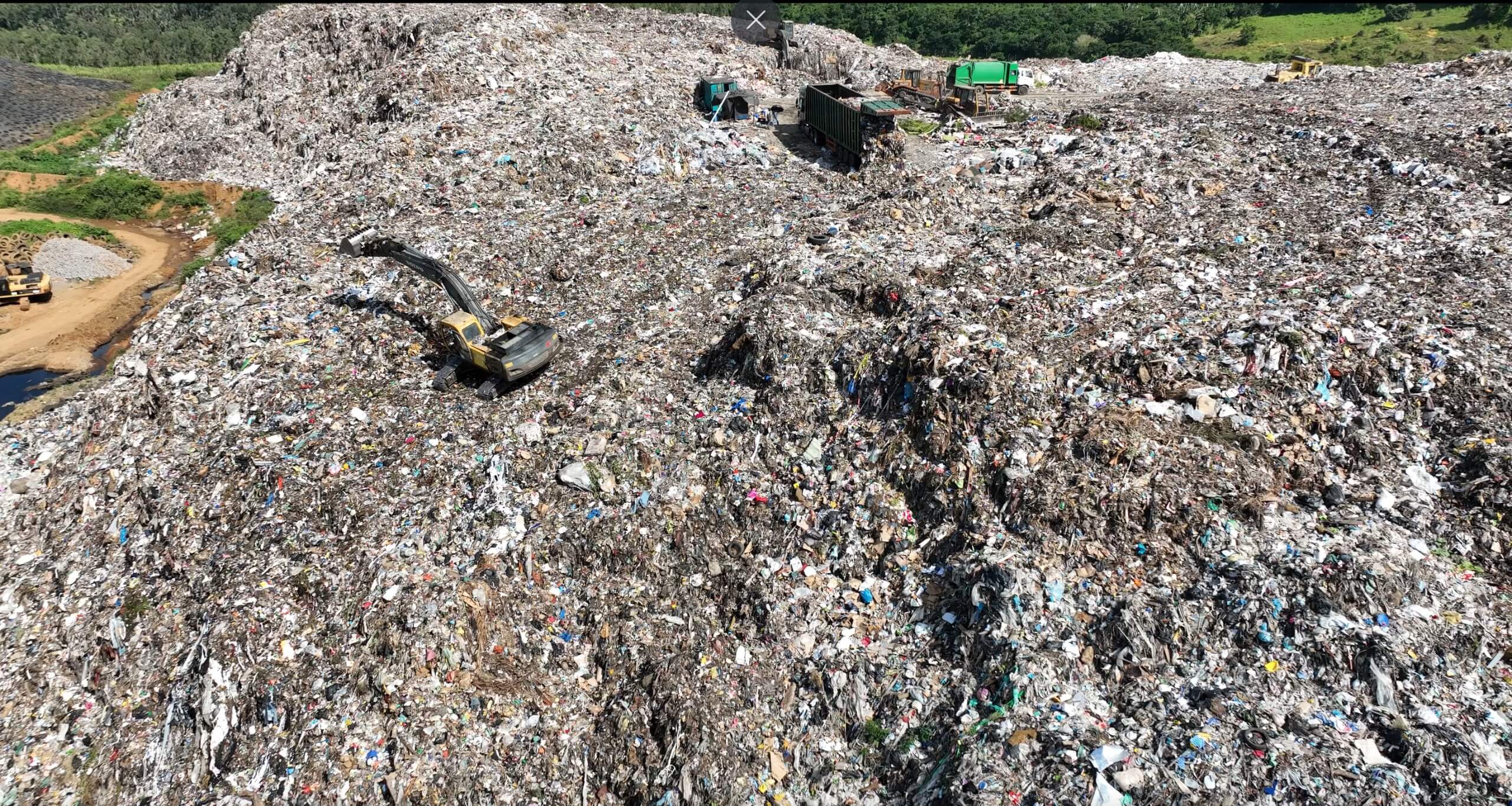
Historically, most municipal waste in Mauritius has been transported directly to landfill. IWPF introduces engineered processing upstream of landfill, enabling material recovery and controlled treatment of organic fractions before final disposal.
Material recovery and diversion
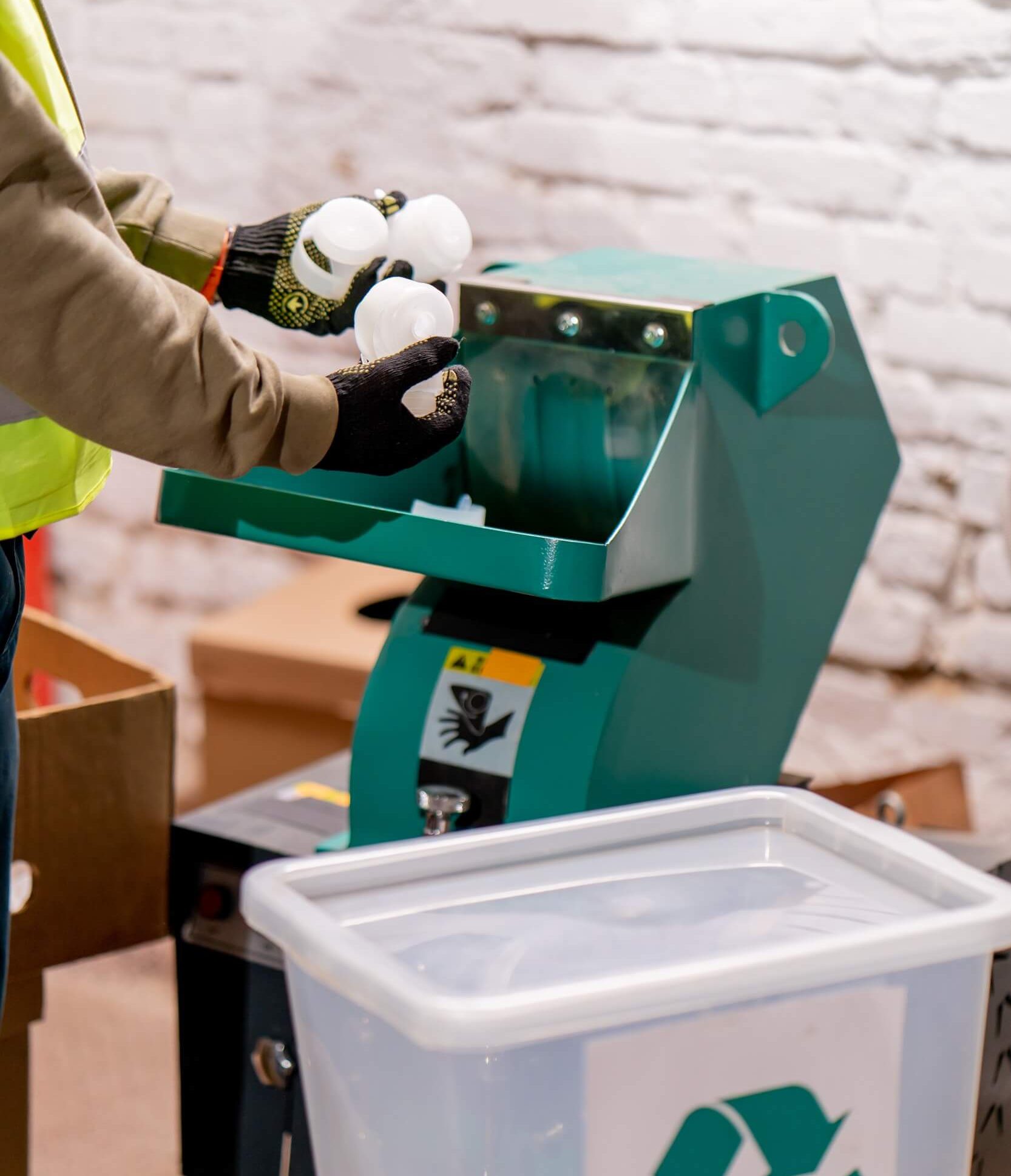
By sorting dry recyclables before landfill, IWPF formalises diversion of valuable materials and supports higher recycling rates.
Reduced landfill volumes
Biological treatment of organic waste reduces the volume of residual material requiring landfill capacity and extends the life of disposal sites.
Operational control and oversight
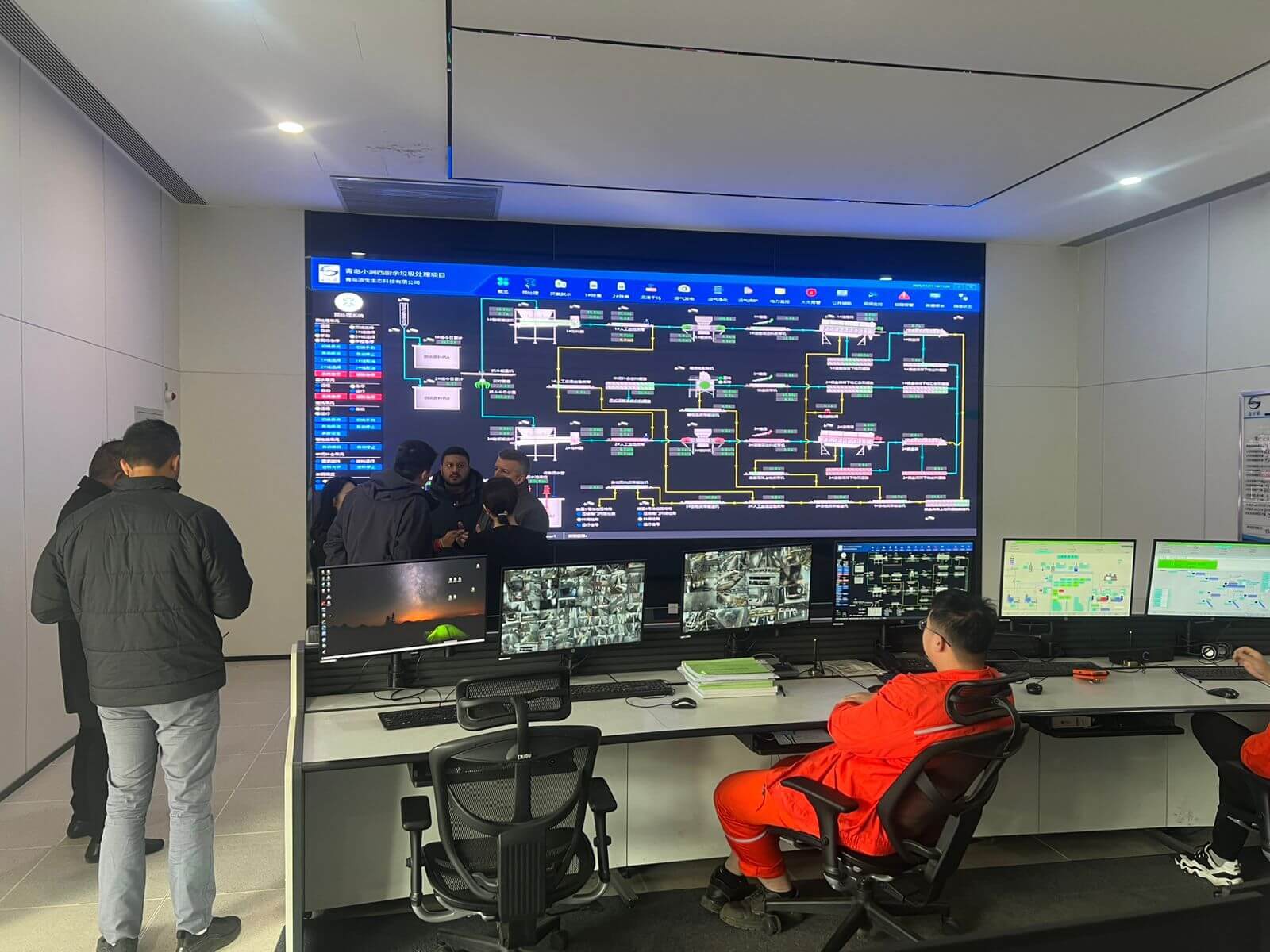
Locating mechanical and biological treatment upstream of landfill embeds operational control and monitoring within Mauritius’ waste management architecture.
IWPF’s Framework
How the programme is delivered
Both IWPF North Ltd and IWPF West Ltd are governed by structured concession agreements with the government of Mauritius. These facilities are designated SPVs which operates independently under their respective concession agreement, thus ensuring financial and operational seperation.

Design and construction

Long‑term operations

Regulated
oversight
The programme operates under formal public regulatory supervision, ensuring compliance with applicable regulations, governance frameworks, and environmental requirements.
Two Innovative
Engineering Infrastructures

IWPF North Ltd is responsible for delivering and operating the northern regional facility under its own concession agreement, with defined performance, reporting, and environmental obligations.
IWPF West Ltd delivers and operates the western regional facility under a parallel concession agreement, ensuring operational and financial separation within the overall programme.
Asked Question
Frequently Asked Question
The Integrated Waste Processing Facility (IWPF) programme establishes two regional waste processing facilities in Mauritius designed to treat municipal solid waste prior to landfill disposal.
The facilities introduce engineered processing capacity into the national waste management system. They are designed to separate recyclable materials, treat organic waste through controlled composting systems, and reduce the overall volume of residual waste requiring landfill disposal.
IWPF operates under a 27-year Build–Own–Operate concession framework with defined technical, operational and regulatory obligations governing the design, construction and operation of the facilities.
Mauritius faces increasing pressure on landfill capacity and long-term environmental performance.
Waste processing infrastructure allows recyclable and organic fractions of waste to be treated before disposal, enabling a more structured management of waste streams and reducing dependency on landfill over time.
The IWPF programme introduces engineered processing capacity within the national waste system, supporting a gradual transition toward a more structured and performance-based waste management framework.
No.
IWPF is a waste processing facility, not a landfill. Its purpose is to treat waste before disposal.
Through mechanical sorting and biological treatment processes, recyclable and organic fractions of waste are separated and processed prior to any remaining residual material being transported to an existing sanitary landfill.
Landfill disposal remains part of the national waste system, but IWPF is designed to reduce the volume of waste reaching landfill through structured processing and resource recovery.
The programme includes a North facility and a West facility to distribute processing capacity geographically across Mauritius.
This approach reduces transportation distances, improves operational efficiency and strengthens resilience within the national waste management system.
Distributed infrastructure also allows processing capacity to be developed in a more balanced and operationally resilient manner.
Municipal waste collected under the national system will be delivered to IWPF through controlled intake and weighing procedures.
At the facility:
• Recyclable materials are separated through a mechanical sorting process within a Material Recovery Facility (MRF)
• Organic waste is treated through engineered composting systems
• Residual material that cannot be recovered is transported to landfill
• Each stage operates within defined environmental and operational controls
This structured processing allows waste to move through multiple treatment stages before disposal.
A Material Recovery Facility is a processing plant designed to separate recyclable materials from mixed waste streams.
Mechanical sorting systems identify and separate materials such as plastics, metals and paper into defined output streams suitable for recycling.
By recovering recyclable materials prior to disposal, the MRF contributes to reducing landfill volumes while improving resource recovery within the waste management system.
Organic waste is processed through controlled composting systems that manage temperature, airflow and moisture levels.
Engineered air treatment systems are integrated into the process to manage emissions in accordance with regulatory standards.
These systems include air capture and treatment infrastructure designed to manage odours and emissions within defined environmental thresholds.
The resulting compost is stabilised organic material suitable for soil conditioning applications, subject to applicable quality standards.
Yes.
Landfill remains necessary for residual waste that cannot be recovered or treated.
However, IWPF introduces processing stages prior to disposal, allowing recyclable and organic fractions to be separated and treated before landfill.
This approach reduces overall landfill volumes and supports more structured management of waste streams over time.
Blog & Article
Our Latest Blog
Explore insights and updates from the IWPF programme.
Why Waste Processing Facilities Are Designed Around Flows
Waste processing facilities are often described by the technologies they contain, but their…
Direction must become delivery
On 19 June 2026, the National Budget placed the circular economy near the…
La gestion environnementale au cœur des infrastructures modernes de traitement des déchets
La gestion environnementale constitue aujourd’hui un élément essentiel des infrastructures modernes de…
Understand the Operating Model
Explore how IWPF processes waste and structures revenue within the concession framework.