Sustainability

Expert Recycling Solutions

Built for Controlled Operations
Environmental Design
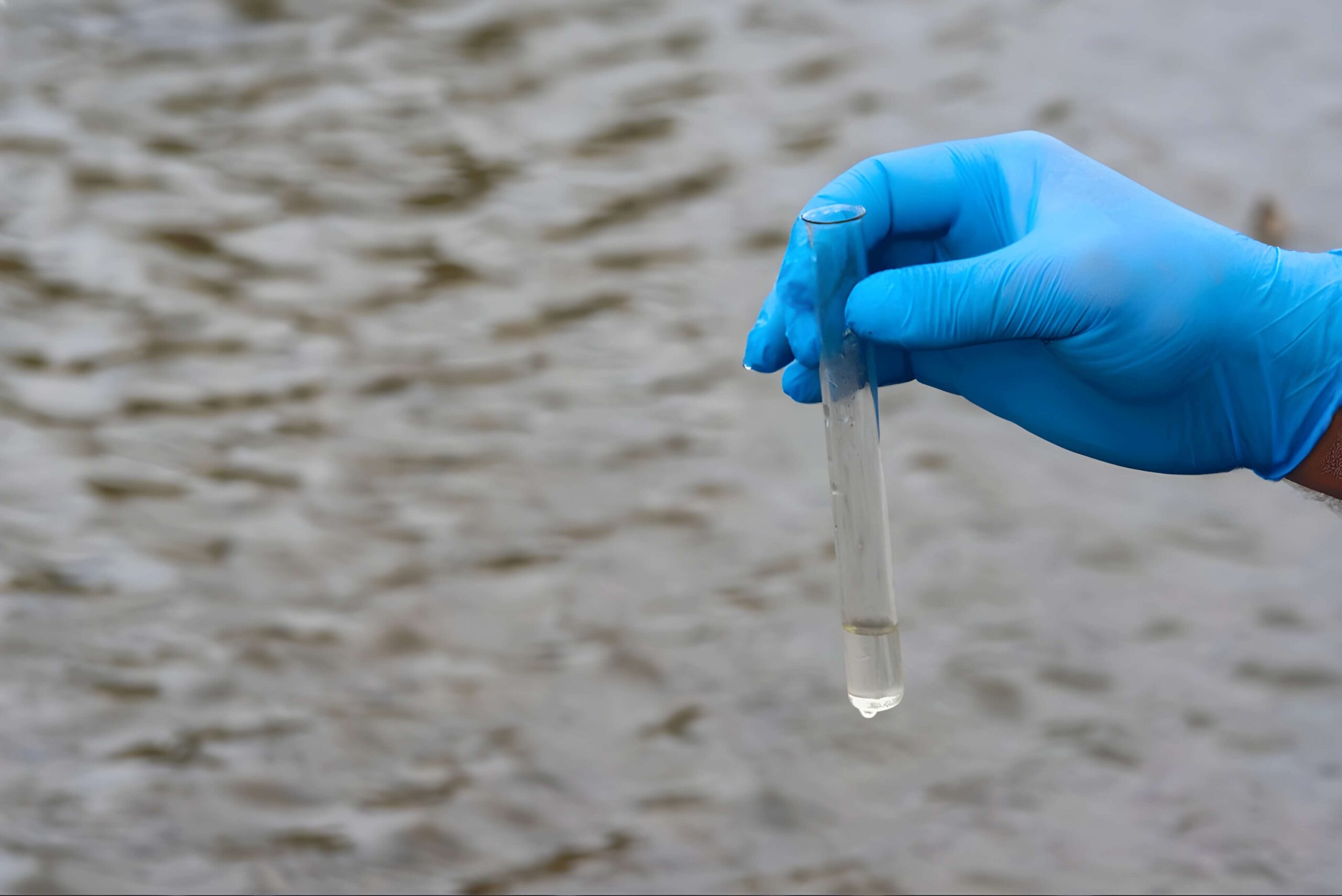
IWPF facilities are designed to manage environmental risks proactively.
Air treatment, controlled processing, and structured waste handling are integrated into the facility layout.
The facilities incorporate:
- Controlled composting processes
- Air treatment systems including scrubber and biofilter mechanisms
- Defined leachate management procedures
- Structured residual waste discharge tracking
Environmental safeguards form part of the approved technical design and operational framework.
All environmental parameters operate within defined regulatory thresholds
Air, Water & Noise Management
Air Quality
Dust, odour, and particulate emissions are managed through engineered systems.
Water & Ground Protection
Surface runoff and groundwater protection measures are integrated into facility planning.
Noise & Operational Impact
Operational design considers noise mitigation and perimeter controls.
Reduced landfill dependency
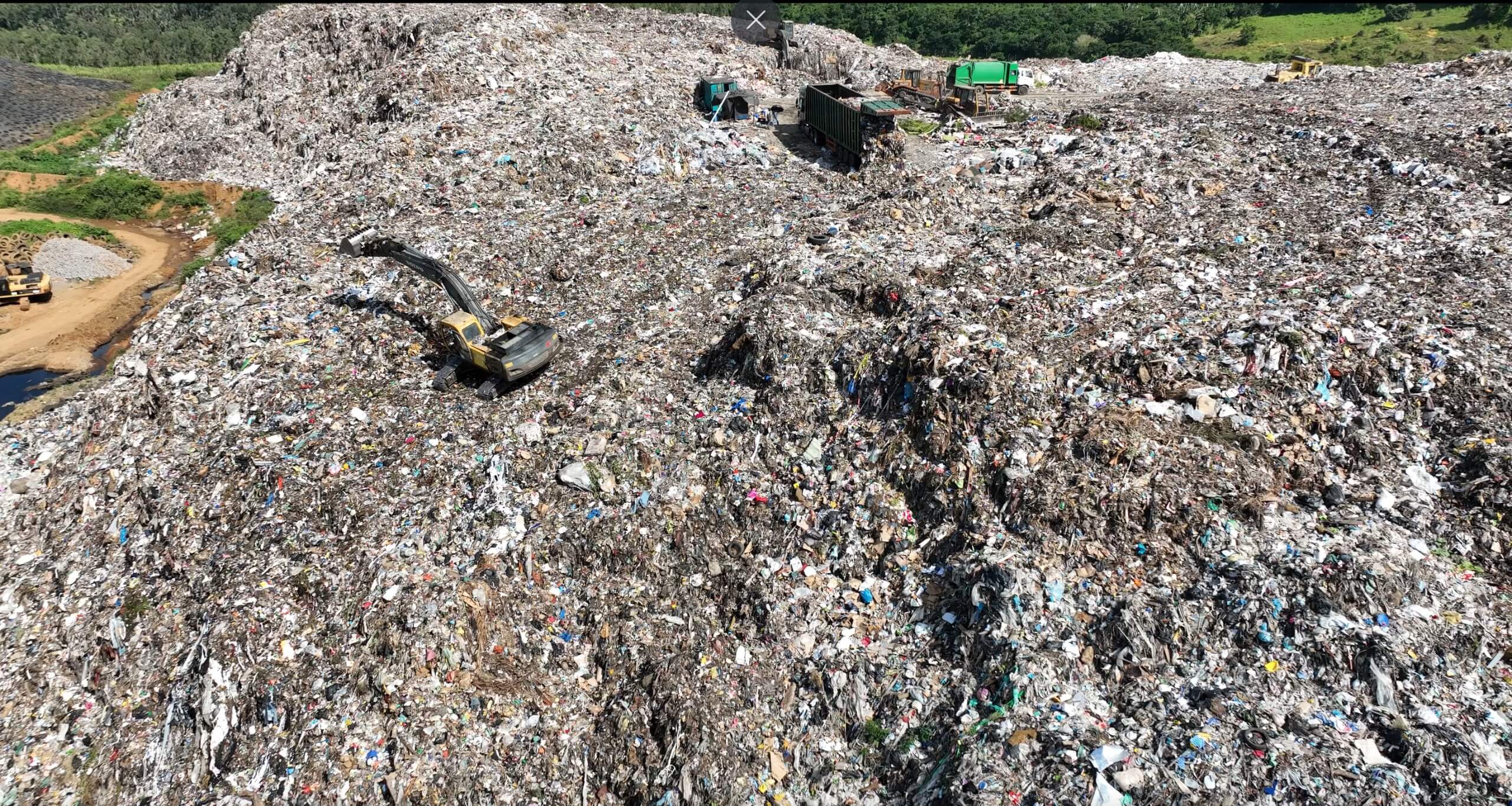
IWPF diverts significant volumes of waste from landfill by placing sorting and biological treatment upstream, reducing the amount of residual waste requiring final disposal.
Material recovery and recycling
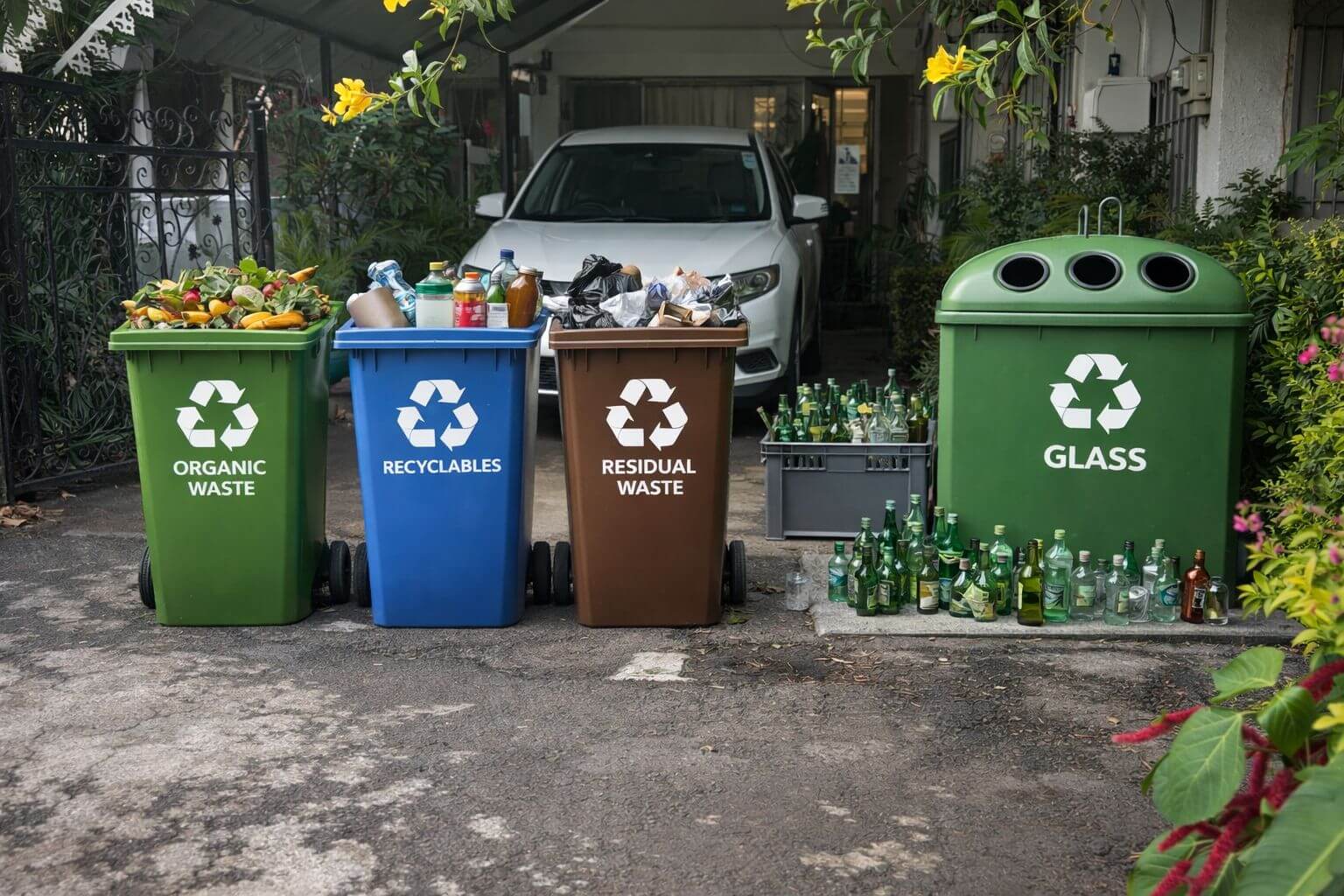
Recyclable materials are separated and recovered, supporting a circular economy and lowering the burden on natural resources.

Controlled treatment of organic waste
Organic waste is stabilised through dedicated composting units, minimising odour, uncontrolled decomposition, and improving the management of organics within the national system.
Improved environmental performance
The facilities help lower greenhouse gas emissions and reduce potential leachate impacts, contributing to a cleaner environment over the long term.
Monitoring and Performance Over Time
Performance at IWPF facilities is tracked through a structured monitoring programme, ensuring that environmental safeguards are maintained and continuous improvement is supported.
Operational performance
Routine checks and independent audits assess the functioning of all key processes and equipment.
Environmental indicators
Emissions, leachate, and other environmental parameters are measured and compared against regulatory benchmarks.
Corrective actions
Any non-compliance or performance issues are addressed promptly through agreed procedures, ensuring transparency and accountability.
Contribution to National Policy and Strategy
Asked Question
Frequently Asked Question
The Integrated Waste Processing Facility (IWPF) programme establishes two regional waste processing facilities in Mauritius designed to treat municipal solid waste prior to landfill disposal.
The facilities introduce engineered processing capacity into the national waste management system. They are designed to separate recyclable materials, treat organic waste through controlled composting systems, and reduce the overall volume of residual waste requiring landfill disposal.
IWPF operates under a 27-year Build–Own–Operate concession framework with defined technical, operational and regulatory obligations governing the design, construction and operation of the facilities.
Mauritius faces increasing pressure on landfill capacity and long-term environmental performance.
Waste processing infrastructure allows recyclable and organic fractions of waste to be treated before disposal, enabling a more structured management of waste streams and reducing dependency on landfill over time.
The IWPF programme introduces engineered processing capacity within the national waste system, supporting a gradual transition toward a more structured and performance-based waste management framework.
No.
IWPF is a waste processing facility, not a landfill. Its purpose is to treat waste before disposal.
Through mechanical sorting and biological treatment processes, recyclable and organic fractions of waste are separated and processed prior to any remaining residual material being transported to an existing sanitary landfill.
Landfill disposal remains part of the national waste system, but IWPF is designed to reduce the volume of waste reaching landfill through structured processing and resource recovery.
The programme includes a North facility and a West facility to distribute processing capacity geographically across Mauritius.
This approach reduces transportation distances, improves operational efficiency and strengthens resilience within the national waste management system.
Distributed infrastructure also allows processing capacity to be developed in a more balanced and operationally resilient manner.
Municipal waste collected under the national system will be delivered to IWPF through controlled intake and weighing procedures.
At the facility:
• Recyclable materials are separated through a mechanical sorting process within a Material Recovery Facility (MRF)
• Organic waste is treated through engineered composting systems
• Residual material that cannot be recovered is transported to landfill
• Each stage operates within defined environmental and operational controls
This structured processing allows waste to move through multiple treatment stages before disposal.
A Material Recovery Facility is a processing plant designed to separate recyclable materials from mixed waste streams.
Mechanical sorting systems identify and separate materials such as plastics, metals and paper into defined output streams suitable for recycling.
By recovering recyclable materials prior to disposal, the MRF contributes to reducing landfill volumes while improving resource recovery within the waste management system.
Organic waste is processed through controlled composting systems that manage temperature, airflow and moisture levels.
Engineered air treatment systems are integrated into the process to manage emissions in accordance with regulatory standards.
These systems include air capture and treatment infrastructure designed to manage odours and emissions within defined environmental thresholds.
The resulting compost is stabilised organic material suitable for soil conditioning applications, subject to applicable quality standards.
Yes.
Landfill remains necessary for residual waste that cannot be recovered or treated.
However, IWPF introduces processing stages prior to disposal, allowing recyclable and organic fractions to be separated and treated before landfill.
This approach reduces overall landfill volumes and supports more structured management of waste streams over time.
Understand the Operating Model
Explore how IWPF processes waste and structures revenue within the concession framework.