Our Model
Waste Processing Infrastructure
The IWPF North Ltd and IWPF West Ltd comprises of:
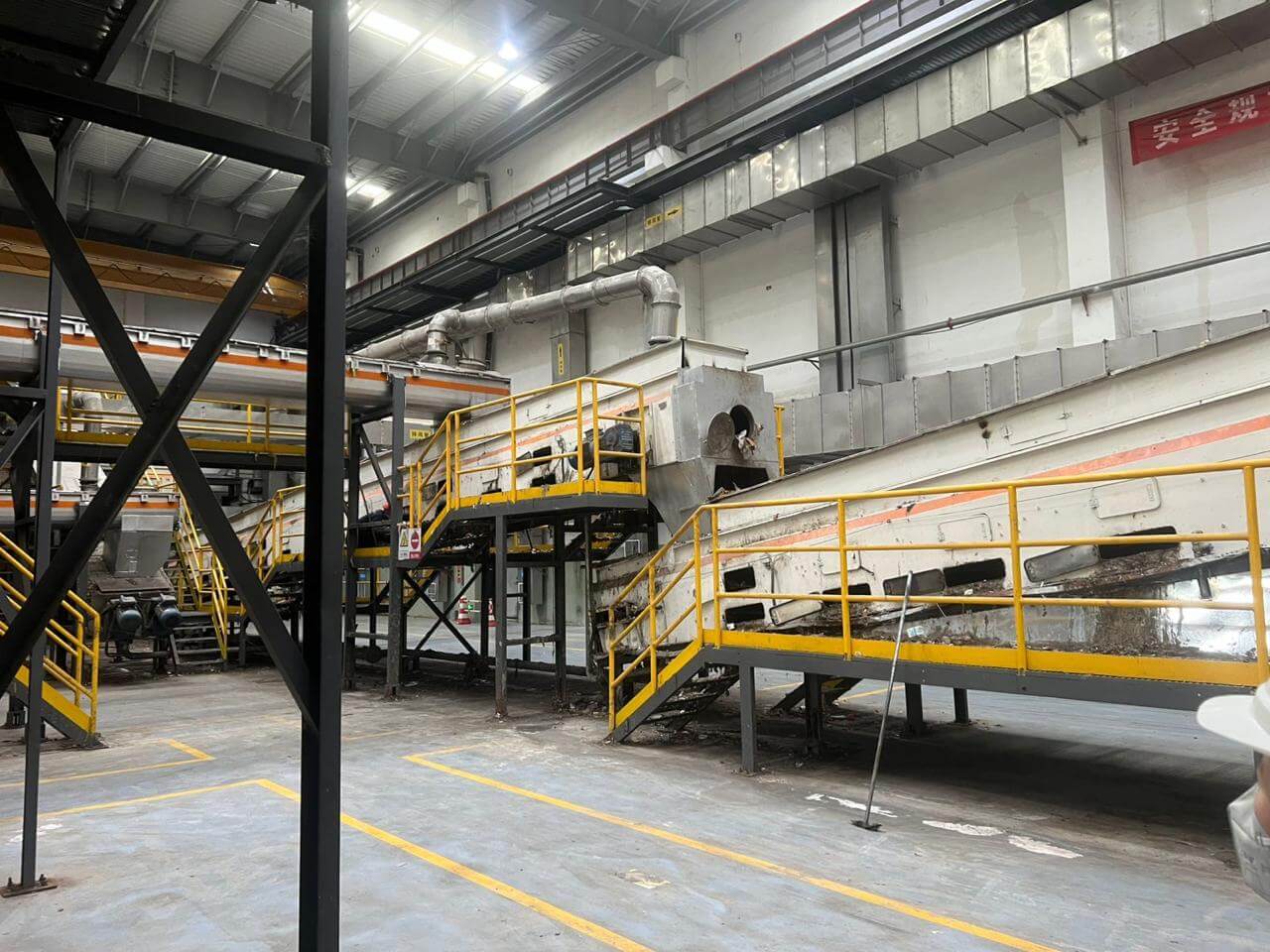
Material Recovery Facility
A Material Recovery Facility (MRF) for mechanical sorting of dry recyclables
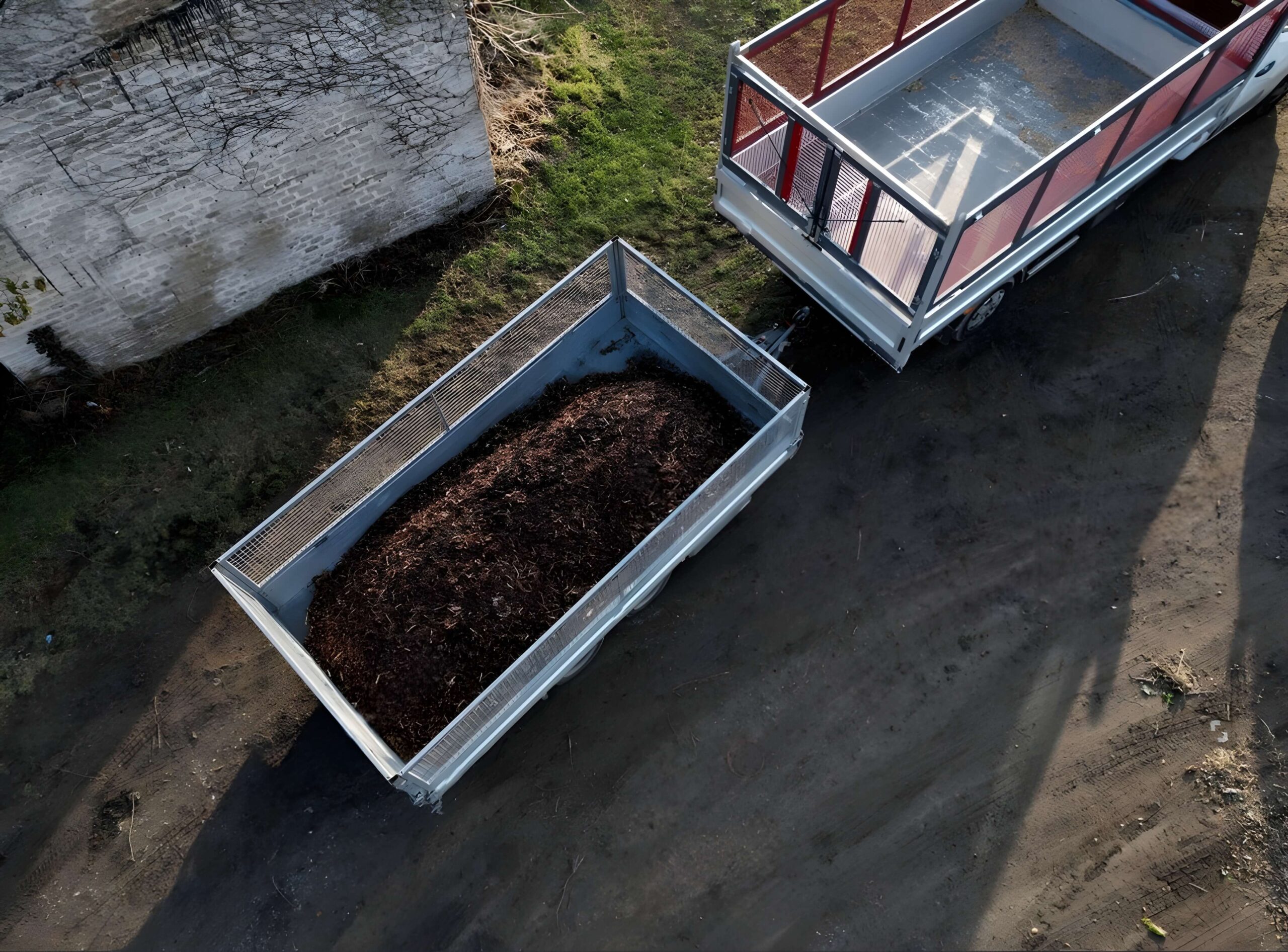
Controlled Composting Plant
A controlled composting plant for biological treatment of organic waste
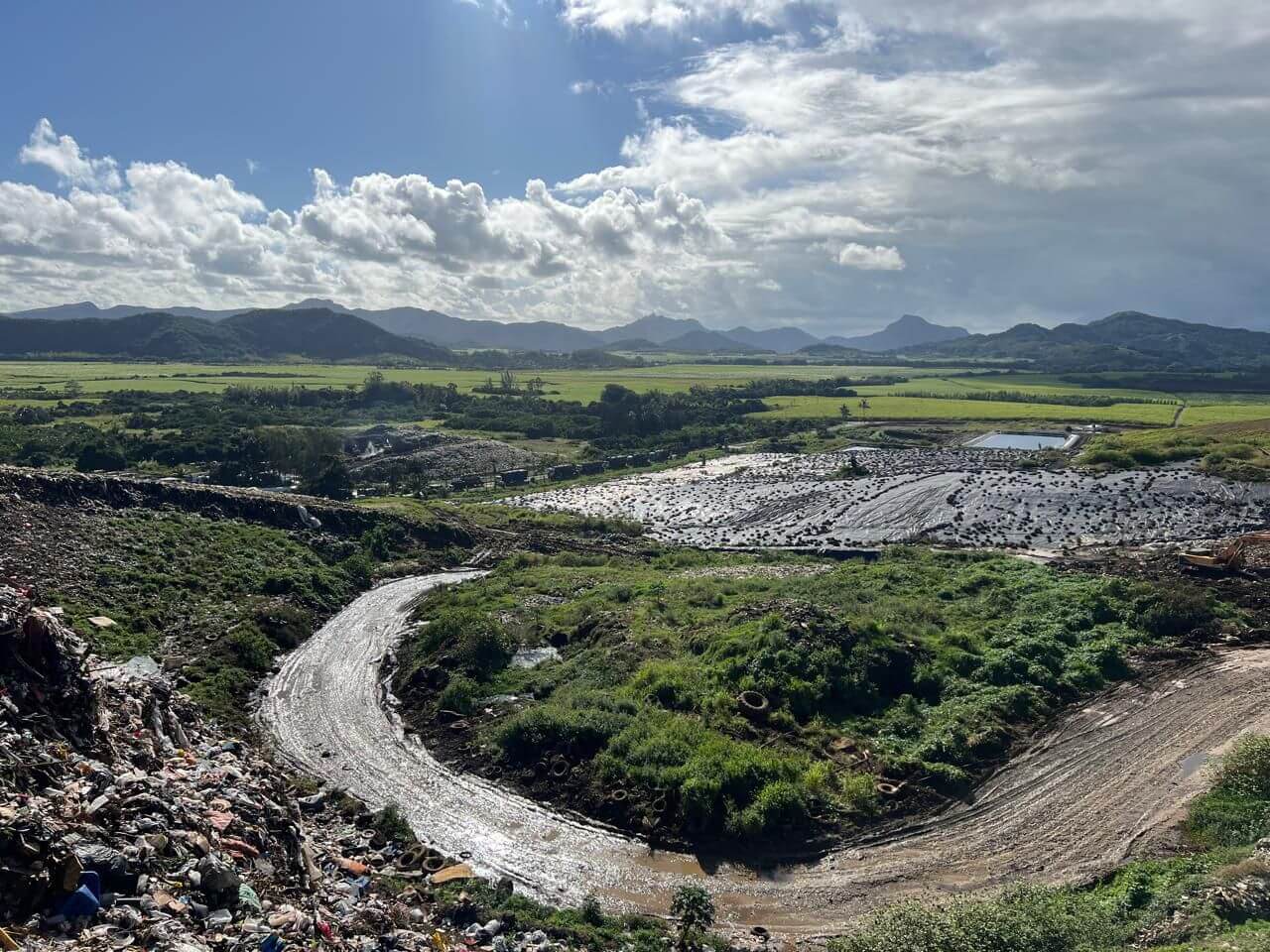
Residual Waste Streams
Structured handling and discharge of residual waste streams
Revenue Framework
How the Programme Is Structured Financially
IWPF operates under a regulated revenue structure.
Payments are linked to the volume of waste processed and compliance with performance standards
Tipping Fee Mechanism
Revenue under the Concession Agreement is structured around a tipping fee mechanism calculated on Net Municipal Solid Waste (Net MSW) processed.
The tipping fee may be positive or negative depending on the bid structure, and is subject to defined indexation provisions under the concession framework.
Net MSW represents the incoming segregated waste less residual waste transported to landfill, aligning revenue with diversion performance.
Minimum Assured Waste Quantity
Supply Stability
The programme includes a defined minimum waste supply commitment from the Authority.
This ensures operational continuity and infrastructure utilisation.
The Minimum Assured Waste Quantity (MAWQ) is the minimum annual quantity of segregated waste the Authority commits to supply to each facility.
This mechanism provides baseline throughput certainty, supporting financial structuring while maintaining performance accountability.
Asked Question
Frequently Asked Question
The Integrated Waste Processing Facility (IWPF) programme establishes two regional waste processing facilities in Mauritius designed to treat municipal solid waste prior to landfill disposal.
The facilities introduce engineered processing capacity into the national waste management system. They are designed to separate recyclable materials, treat organic waste through controlled composting systems, and reduce the overall volume of residual waste requiring landfill disposal.
IWPF operates under a 27-year Build–Own–Operate concession framework with defined technical, operational and regulatory obligations governing the design, construction and operation of the facilities.
Mauritius faces increasing pressure on landfill capacity and long-term environmental performance.
Waste processing infrastructure allows recyclable and organic fractions of waste to be treated before disposal, enabling a more structured management of waste streams and reducing dependency on landfill over time.
The IWPF programme introduces engineered processing capacity within the national waste system, supporting a gradual transition toward a more structured and performance-based waste management framework.
No.
IWPF is a waste processing facility, not a landfill. Its purpose is to treat waste before disposal.
Through mechanical sorting and biological treatment processes, recyclable and organic fractions of waste are separated and processed prior to any remaining residual material being transported to an existing sanitary landfill.
Landfill disposal remains part of the national waste system, but IWPF is designed to reduce the volume of waste reaching landfill through structured processing and resource recovery.
The programme includes a North facility and a West facility to distribute processing capacity geographically across Mauritius.
This approach reduces transportation distances, improves operational efficiency and strengthens resilience within the national waste management system.
Distributed infrastructure also allows processing capacity to be developed in a more balanced and operationally resilient manner.
Municipal waste collected under the national system will be delivered to IWPF through controlled intake and weighing procedures.
At the facility:
• Recyclable materials are separated through a mechanical sorting process within a Material Recovery Facility (MRF)
• Organic waste is treated through engineered composting systems
• Residual material that cannot be recovered is transported to landfill
• Each stage operates within defined environmental and operational controls
This structured processing allows waste to move through multiple treatment stages before disposal.
A Material Recovery Facility is a processing plant designed to separate recyclable materials from mixed waste streams.
Mechanical sorting systems identify and separate materials such as plastics, metals and paper into defined output streams suitable for recycling.
By recovering recyclable materials prior to disposal, the MRF contributes to reducing landfill volumes while improving resource recovery within the waste management system.
Organic waste is processed through controlled composting systems that manage temperature, airflow and moisture levels.
Engineered air treatment systems are integrated into the process to manage emissions in accordance with regulatory standards.
These systems include air capture and treatment infrastructure designed to manage odours and emissions within defined environmental thresholds.
The resulting compost is stabilised organic material suitable for soil conditioning applications, subject to applicable quality standards.
Yes.
Landfill remains necessary for residual waste that cannot be recovered or treated.
However, IWPF introduces processing stages prior to disposal, allowing recyclable and organic fractions to be separated and treated before landfill.
This approach reduces overall landfill volumes and supports more structured management of waste streams over time.
Performance & Oversight
Independent Monitoring
Construction and operational stages are subject to oversight.
Defined Standards
Environmental and operational benchmarks are embedded in the agreement.
Compliance Reporting
Operational data is monitored and reported in accordance with concession obligations.
Operational Sustainability
Understand how environmental control and compliance are embedded in the IWPF framework.